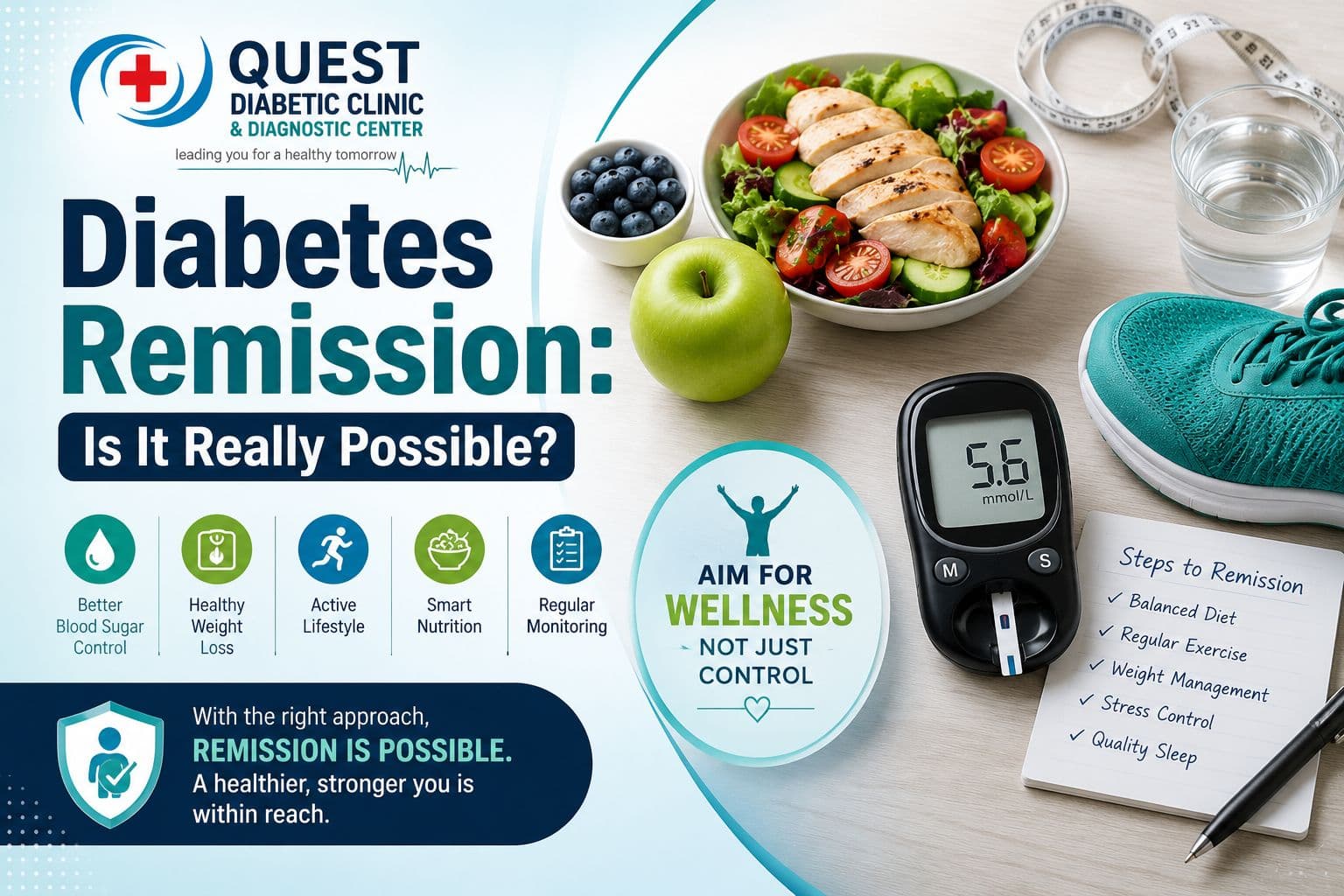
Diabetes Remission: Is It Really Possible?
Diabetes is one of the most common health conditions worldwide, affecting millions of people and increasing the risk of heart disease, kidney problems, nerve damage, and vision loss. For years, diabetes was considered a lifelong condition that could only be managed—not reversed. However, recent research and real-world success stories have introduced a new concept: diabetes remission.
But is diabetes remission really possible? Let's explore what it means, who can achieve it, and the steps involved.
Understanding Diabetes Remission
Diabetes remission occurs when a person with Type 2 diabetes maintains blood sugar levels within the normal or prediabetic range without the need for diabetes medications for an extended period.
According to international diabetes organizations, remission is generally defined as:
- HbA1c below 6.5% (48 mmol/mol)
- Maintained for at least three months
- Without glucose-lowering medications
It is important to note that remission does not mean the diabetes has been completely cured. The tendency toward high blood sugar remains, and diabetes can return if healthy habits are not maintained.
Can Type 2 Diabetes Be Reversed?
For many people with Type 2 diabetes, especially those diagnosed recently, remission is achievable. Research has shown that significant lifestyle changes can dramatically improve insulin sensitivity and reduce excess fat stored in the liver and pancreas, helping the body regulate blood sugar more effectively.
Factors that increase the likelihood of remission include:
- Early diagnosis of Type 2 diabetes
- Significant weight loss
- Consistent healthy eating habits
- Regular physical activity
- Ongoing medical supervision
Why Weight Loss Plays a Key Role
Excess body fat, particularly around the abdomen, contributes to insulin resistance. When the body becomes resistant to insulin, blood sugar levels rise.
Studies have found that losing 10–15% of body weight can significantly improve blood glucose control and, in some cases, lead to remission. Weight loss helps:
- Improve insulin sensitivity
- Reduce liver fat
- Improve pancreatic function
- Lower inflammation levels
Even modest weight loss can provide meaningful health benefits.
Lifestyle Changes That Support Remission
1. Adopting a Healthy Diet
A balanced and sustainable eating plan is one of the most effective tools for managing Type 2 diabetes.
Focus on:
- Vegetables and leafy greens
- Whole grains
- Lean proteins
- Healthy fats
- High-fiber foods
Limit:
- Sugary beverages
- Processed foods
- Refined carbohydrates
- Excessive snacking
Portion control is equally important.
2. Regular Physical Activity
Exercise helps the body use insulin more efficiently and lowers blood sugar levels.
Recommended activities include:
- Brisk walking
- Cycling
- Swimming
- Strength training
- Yoga
Aim for at least 150 minutes of moderate-intensity exercise per week.
3. Better Sleep and Stress Management
Poor sleep and chronic stress can negatively affect blood sugar levels. Practices such as meditation, deep breathing, mindfulness, and maintaining a consistent sleep schedule can support overall metabolic health.
Can Medication Help Achieve Remission?
Yes. In some cases, healthcare providers may use medications alongside lifestyle interventions to help patients lose weight and improve glucose control.
Newer medications designed to support weight loss and improve insulin sensitivity have shown promising results. However, these treatments should always be used under medical supervision.
What About Bariatric Surgery?
For individuals with obesity and Type 2 diabetes, bariatric (weight-loss) surgery can lead to significant improvements in blood sugar control and even remission.
Procedures such as gastric bypass and sleeve gastrectomy have demonstrated impressive long-term outcomes, especially when combined with healthy lifestyle habits.
However, surgery is not suitable for everyone and requires careful evaluation by healthcare professionals.
Is Remission Permanent?
This is one of the most common misconceptions.
Diabetes remission is not necessarily permanent. Blood sugar levels can rise again if:
- Weight is regained
- Physical activity decreases
- Unhealthy eating habits return
- Other health conditions develop
Regular monitoring and long-term commitment to healthy living remain essential.
Who Is Most Likely to Achieve Remission?
Individuals who may have a higher chance of achieving remission include:
- People diagnosed within the last few years
- Those who achieve significant weight loss
- Individuals who actively participate in lifestyle modification programs
- People who maintain regular follow-up with healthcare providers
Even if remission is not achieved, lifestyle improvements can greatly reduce complications and improve quality of life.
The Bottom Line
The answer is yes—diabetes remission is possible for many people with Type 2 diabetes, particularly when diagnosed early and managed through significant lifestyle changes. While remission is not the same as a cure, it represents a powerful opportunity to improve health, reduce dependence on medications, and lower the risk of diabetes-related complications.
If you are living with Type 2 diabetes, speak with your healthcare provider before making major changes to your treatment plan. With the right support, guidance, and commitment, achieving remission may be an attainable goal.