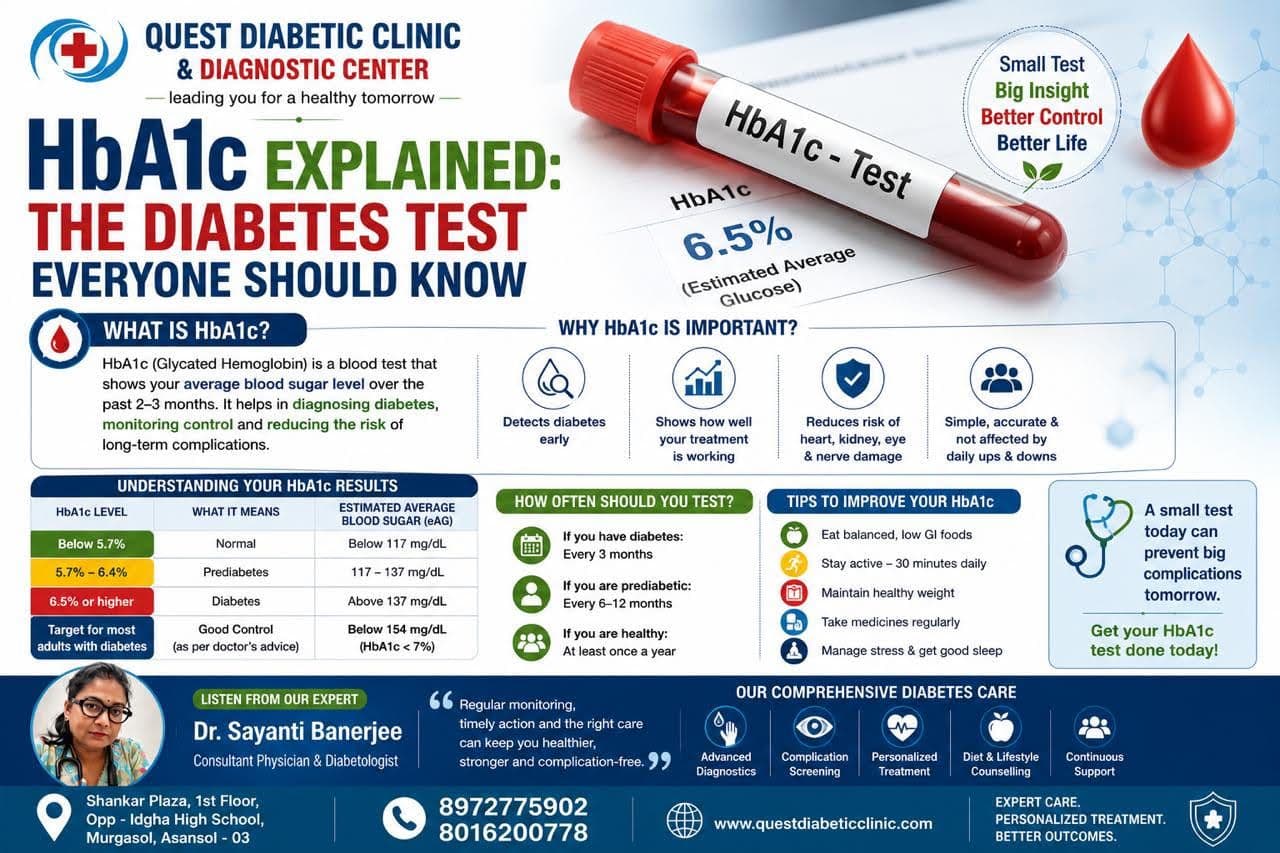
HbA1c Explained: The Diabetes Test Everyone Should Know
Diabetes is one of the most common chronic health conditions today, and early diagnosis plays a crucial role in preventing long-term complications. While many people are familiar with fasting and post-meal blood sugar tests, one test provides a much clearer picture of your overall blood sugar control—HbA1c.
Unlike a single blood glucose reading, the HbA1c test reflects your average blood sugar levels over the past two to three months, making it one of the most valuable tools for diagnosing diabetes, monitoring treatment, and reducing the risk of complications.
What is HbA1c?
HbA1c, also known as glycated haemoglobin, is formed when glucose in the bloodstream attaches to haemoglobin, the protein found in red blood cells that carries oxygen throughout the body.
Since red blood cells typically live for about 120 days, measuring HbA1c provides an overview of your average blood sugar over the previous few months rather than a snapshot of a single day. This makes it a reliable indicator of long-term glucose control.
Why is the HbA1c Test Important?
The HbA1c test is much more than just a number. It helps your doctor:
- Diagnose prediabetes and diabetes.
- Monitor long-term blood sugar control.
- Evaluate how well your current treatment plan is working.
- Guide decisions regarding medications and lifestyle changes.
- Assess the risk of diabetes-related complications affecting the eyes, kidneys, nerves, and heart.
- Track improvements after changes in diet, exercise, or medication.
Because it reflects long-term blood sugar control, HbA1c is considered one of the most important tests for anyone living with diabetes.
Understanding Your HbA1c Result
The following table explains what different HbA1c values generally indicate:
HbA1c Level
Meaning
Interpretation
Below 5.7%
Normal
Healthy blood sugar regulation
5.7% – 6.4%
Prediabetes
Increased risk of developing diabetes
6.5% or above
Diabetes
May indicate diabetes when confirmed by a healthcare professional
Below 7%
Common treatment target
Often recommended for many adults with diabetes, although targets are individualised
Your doctor will interpret your result based on your age, medical history, current health conditions, and individual treatment goals.
How Often Should You Have an HbA1c Test?
The frequency of testing depends on your health status:
- People with diabetes: Usually every three months until blood sugar levels are stable, then as advised by your doctor.
- People with prediabetes: Typically every 6–12 months.
- Individuals at high risk of diabetes: According to medical advice based on individual risk factors.
Regular monitoring helps identify changes early and allows timely adjustments to treatment.
How Can You Improve Your HbA1c?
Improving HbA1c is a gradual process that requires consistent lifestyle changes and appropriate medical care. Some effective ways include:
- Following a personalised, balanced meal plan.
- Engaging in regular physical activity.
- Taking prescribed medications consistently.
- Monitoring blood glucose when recommended.
- Maintaining healthy sleep habits.
- Managing stress effectively.
- Attending scheduled follow-up appointments with your healthcare provider.
Even small, sustainable improvements in daily habits can lead to better HbA1c levels over time.
Why Choose Quest Diabetic Clinic & Diagnostic Centre?
At Quest Diabetic Clinic & Diagnostic Centre, patients receive comprehensive, evidence-based diabetes care tailored to their individual needs.
Services include:
- HbA1c testing
- Continuous Glucose Monitoring (CGM)
- Diabetic retinopathy screening
- Diabetic neuropathy screening
- Thyroid evaluation
- Personalised diet counselling
- Individualised diabetes management under the expert guidance of Dr. Sayanti Banerjee, Consultant Physician & Diabetologist
The clinic focuses on early diagnosis, personalised treatment, and long-term diabetes management to help patients lead healthier lives.
Frequently Asked Questions
Is HbA1c better than a fasting blood sugar test?
Both tests are important but serve different purposes. A fasting blood sugar test measures your glucose level at a specific point in time, whereas HbA1c reflects your average blood sugar over the previous two to three months.
Can HbA1c diagnose diabetes?
Yes. An HbA1c value of 6.5% or higher may indicate diabetes when confirmed and interpreted by a qualified healthcare professional.
Can HbA1c be reduced?
Yes. With healthy lifestyle changes, regular physical activity, proper nutrition, and appropriate treatment, HbA1c levels can improve gradually over time.
Does everyone have the same HbA1c target?
No. HbA1c targets are individualised based on factors such as age, overall health, duration of diabetes, and the risk of low blood sugar episodes. Your doctor will recommend the most appropriate target for you.
Book an Appointment
Dr. Sayanti Banerjee
Consultant Physician & Diabetologist
Quest Diabetic Clinic & Diagnostic Centre
Shankar Plaza, 1st Floor
Opposite Idgha High School
Murgasol, Asansol – 713303
Phone: 8972775902 / 8016200778
Website: www.questdiabeticclinic.com
Takeaway
The HbA1c test is one of the most reliable ways to understand your long-term blood sugar control. Whether you have diabetes, prediabetes, or are at risk of developing the condition, regular HbA1c testing can help detect problems early, guide treatment decisions, and reduce the risk of serious complications. Combined with healthy lifestyle choices and regular medical follow-up, it plays a vital role in maintaining long-term health and improving quality of life.